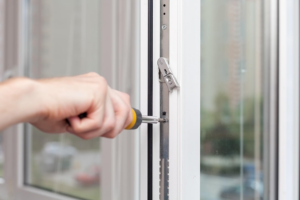
The Importance of Lock Maintenance: A Comprehensive Guide
Locks are often the first line of defense for our homes and companies, providing security and assurance. Nevertheless, like any other mechanical gadget, locks require routine maintenance to work successfully and reliably. Ignoring lock upkeep can result in a host of problems, from jamming and adhering to outright failure. This short article delves into the value of lock upkeep, provides a step-by-step guide on how to maintain various kinds of locks, and responds to some regularly asked concerns to assist you keep your locks in top condition.
Why Lock Maintenance is Crucial
- Enhanced Security: Regular maintenance makes sure that your locks are operating as created, minimizing the threat of unauthorized gain access to.
- ** Durability **: Proper care can extend the lifespan of your locks, conserving you money on replacements and repairs.
- Reliability: Well-maintained locks are less likely to fail when you need them most, such as during a burglary effort.
- Visual appeals: Clean and properly maintained locks can enhance the look of your home or company.
- Compliance: Some insurance coverage and building regulations require routine lock upkeep to make sure security and security standards are fulfilled.
Types of Locks and Their Maintenance Needs
Deadbolts
- Cleaning: Wipe the lock and keyhole with a dry fabric to remove dust and particles.
- Lubrication: Apply a light covering of graphite powder or a silicone-based lube to the keyhole and moving parts.
- Examine for Damage: Inspect the lock for any signs of wear or damage, such as loose screws or a jammed bolt.
Cylinder Locks
- Secret Maintenance: Clean the secrets frequently with a soft cloth and shop them in a dry location to prevent rust.
- Keyhole Cleaning: Use a little, soft-bristled brush or compressed air to clear out the keyhole.
- Lubrication: Apply a couple of drops of a lube designed for locks to keep the system smooth.
Padlocks
- Exterior Cleaning: Wipe the padlock with a wet cloth to eliminate dirt and grime.
- Interior Lubrication: Use a lubricant specifically designed for padlocks to keep the mechanism operating efficiently.
- Weather Protection: If used outdoors, consider a padlock cover to protect against moisture and rust.
Electronic Locks
- Battery Replacement: Check the battery level regularly and replace batteries when they are low to avoid lockouts.
- Reset and Update: Follow the producer's instructions to reset the lock and update any software application or firmware.
- Sensing unit Cleaning: Clean the lock's sensing units and keypads with a soft, lint-free fabric to prevent malfunctions.
Padlock Hasps
- Tighten up Screws: Check and tighten up any loose screws to make sure the hasp is firmly attached.
- Oil Hinges: Apply a lubricant to the hinges to keep them moving efficiently and avoid rust.
- Inspect for Damage: Look for any indications of wear, such as bent metal or rust, and replace the hasp if required.
Step-by-Step Guide to Lock Maintenance
Gather Tools and Materials
- Screwdriver
- Graphite powder or silicone-based lube
- Soft fabric
- Compressed air
- Soft-bristled brush
- Wrench or pliers (if needed)
Clean the Exterior
- Utilize a soft fabric to wipe down the lock and surrounding location. This gets rid of dust, dirt, and gunk that can collect and affect the lock's efficiency.
- For padlocks, clean the outside with a wet fabric and dry it completely to avoid rust.
Clean the Keyhole
- Use a soft-bristled brush or compressed air to remove any particles from the keyhole.
- For electronic locks, tidy the sensors and keypads too.
Lube the Lock
- Use a light coating of graphite powder or a silicone-based lubricant to the keyhole and moving parts of the lock.
- For padlocks, use a lubricant specifically developed for padlocks.
- Prevent utilizing oil-based lubes, as they can draw in dust and dirt, resulting in more frequent cleaning.
Look for Damage
- Examine the lock for any signs of wear or damage, such as loose screws, bent metal, or corrosion.
- For deadbolts, ensure that the bolt moves efficiently which the strike plate is effectively lined up.
Tighten Up Screws and Adjustments
- Use a screwdriver to tighten up any loose screws on the lock or strike plate.
- For padlock hasps, tighten up the screws to guarantee a safe and secure fit.
Evaluate the Lock
- Lock and unlock the lock a number of times to ensure it is working properly.
- For electronic locks, test the battery level and the lock's reaction to your code or card.
Frequently Asked Questions About Lock Maintenance
Q: How typically should I keep my locks?
- A: It is advised to carry out routine maintenance on your locks a minimum of once a year. Nevertheless, locks in high-traffic areas or those exposed to harsh weather might require more regular attention.
Q: Can I utilize WD-40 to lubricate my locks?
- A: While WD-40 can be utilized in a pinch, it is not the very best choice for long-lasting lock maintenance. WD-40 is primarily a water-displacement solvent and can draw in dust and dirt, leading to a buildup that can trigger the lock to jam. Use graphite powder or a silicone-based lube instead.
Q: What should I do if my lock is stuck?
- A: If your lock is stuck, try applying a lube to the keyhole and moving parts. If this does not work, you may require to disassemble the lock and clean it completely. In cases where the lock is seriously jammed, it may be best to call a professional locksmith.
Q: How can I prevent rust on my locks?
- A: To avoid rust, keep your locks dry and clean. For outside locks, think about utilizing a rust-resistant lube and a padlock cover. If you live in a humid location, you may need to oil the locks more often.
Q: Should I replace my lock if it is old but still working?
- A: If your lock is old however still functional, it is not essential to replace it right away. However, consider lock repair cost of the lock and the level of security it offers. Older locks may not fulfill present security requirements and could be more susceptible to tampering or breaking.
Q: Can I clean my electronic lock with water?
- A: No, do not utilize water to tidy electronic locks. Water can harm the internal components and trigger the lock to malfunction. Instead, utilize a soft, lint-free cloth to wipe down the lock and clean the sensing units and keypads.
Extra Tips for Lock Maintenance
- Regular Inspections: Make it a practice to examine your locks routinely for any indications of wear or damage.
- Expert Help: If you are unsure about how to preserve a specific type of lock, consult an expert locksmith.
- Key Care: Take care of your secrets by keeping them clean and preventing dropping them on hard surfaces.
- Secure Storage: Store spare secrets in a safe and secure area, such as a safe or with a relied on next-door neighbor, to prevent the requirement to require a lock open in an emergency situation.
- Weatherproofing: For outdoor locks, think about using weatherproof covers and rust-resistant lubricants to safeguard versus the components.
Preserving your locks is a basic yet essential job that can significantly improve the security and dependability of your home or company. By following the actions outlined in this guide and adhering to the tips and FAQs, you can make sure that your locks remain in leading condition for several years to come. Keep in mind, a well-kept lock is a protected lock, providing you with the assurance you require to safeguard what matters most.
Referrals
- Locksmith Professional Association of America (LAA): www.locksmithassociation.org
- Sherlock Locks: www.sherlocklocks.com
- Home Security Store: www.homeseecuritystore.com
By making the effort to care for your locks, you not just enhance your security but likewise extend the life of these essential parts. Stay safe and secure with routine lock maintenance.